




Personalized Champagne Saber | 1
Original price was: $149.00.$99.99Current price is: $99.99.
- Unbeatable Quality, Unbeatable Value
- Sustainable materials, for a better tomorrow.
- Shop with Ease
- Get the Best for Less

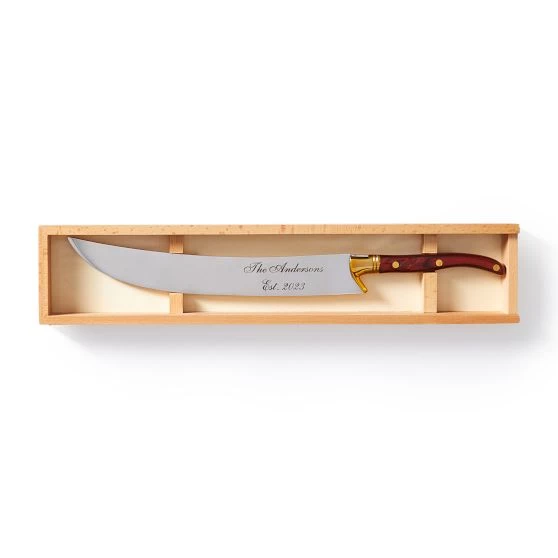
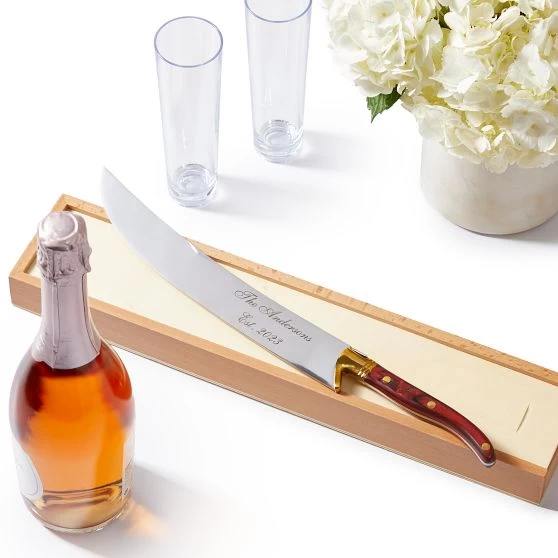
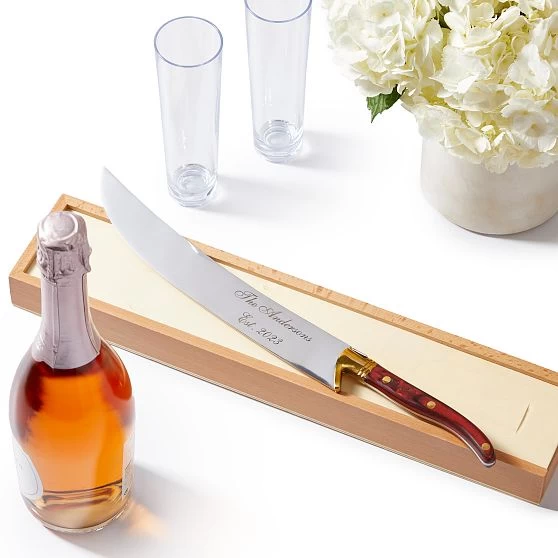
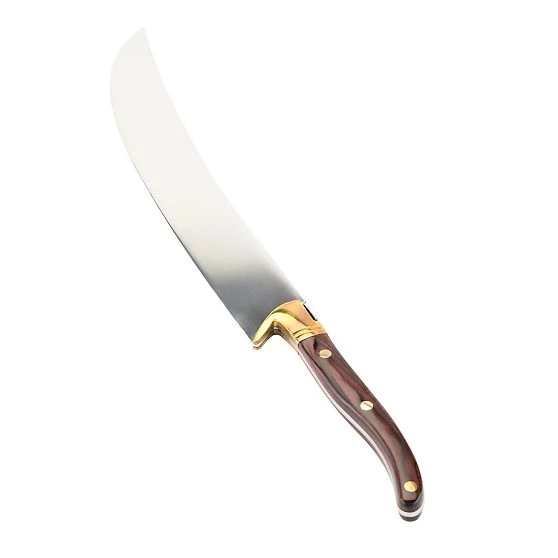
Indulge in one of the world’s most legendary party tricks with this beautifully crafted champagne saber. With a curved stainless steel blade and a wood and brass handle, the saber is ideally weighted for its task. The resemblance to a cavalry soldier’s sword is no accident: the tradition of sabering champagne is said to have originated in the French army during the reign of Napoléon Bonaparte. Today, we know it as one of the most exuberant ways to celebrate a noteworthy occasion, especially when the blade is engraved with a monogram, name or date of your choice.
• Comes in a wooden box ideal for gifting.
• Saber: 16.25”l x 2”w x 0.75”h; Box: 17.75”l x 3.75”w x 1.5”h
• Stainless steel; wood.
• Safety note: The blade does not have a sharpened edge, but it does have a sharp point. Please use responsibly and keep out of reach of children.
• See Product Information for instructions on how to properly saber a bottle of champagne.
• Hand wash only. Dry promptly.
• Imported.
• Monogramming is laser etched on the blade.
How to Saber Champagne or Sparking Wine
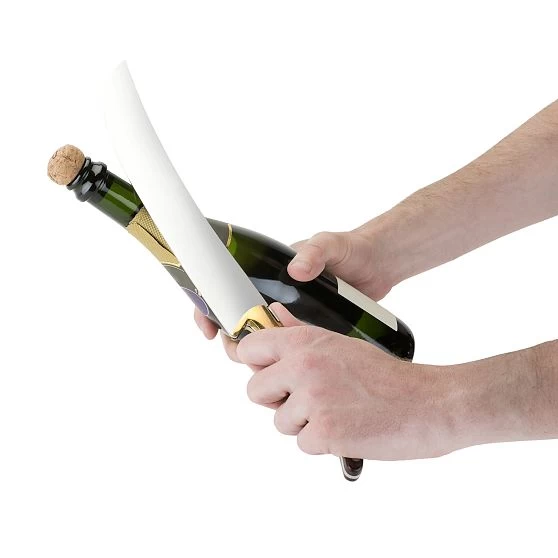
Sabering works by using the bottle’s shape and the internal pressure from the wine’s natural effervescence. Rather than a chopping motion, the blade is slid along a specific part of the bottle to pop off the top of the neck, cork included.
Please always ensure sabering is done by someone who is currently capable of being well coordinated and safety conscious.
1. Make sure your champagne or sparkling wine is very cold, including the neck of the bottle. Chilling in a refrigerator is preferrable to a wine chiller or ice bucket. The cold will make the glass more brittle and easier to break.
2. Once your wine is cold enough {38-40°F}, hold it at a 45° angle, with the cork pointed away from any people or breakables such as windows. Sabering outdoors is preferrable due to the resulting broken glass.
3. Locate the seam along one side of the bottle. Place the blade on this seam where the bottle body begins to narrow toward the neck {just above the label}. In one very swift motion, slide the blade along the seam until it catches on the lip of glass just below the cork. If you use the proper force and speed, the top of the bottle and the cork will pop off.
4. Sabering champagne often takes a few tries to get right if it is your first time. When in doubt, have someone more experienced help you. Done correctly, the glass with burst outward with a small spray of wine, preventing any shards from getting in your drink.
5. Cheers!
Be the first to review “Personalized Champagne Saber | 1”
Related products

Entertaining
Entertaining
Acrylic Entertaining Collection
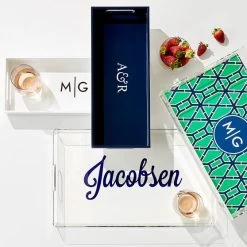
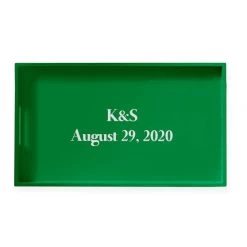
Entertaining
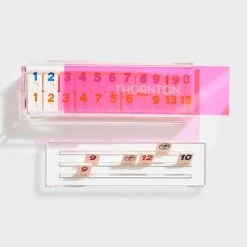
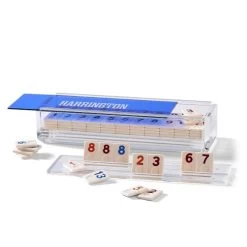
Acrylic Entertaining Collection


Build Your Bar Collection
Build Your Bar Collection
Entertaining
Reviews
There are no reviews yet.